Traditional POTS lines have been the backbone of business communication for over a century. That era is ending. Here's the plain-language version of what's happening, why, and what it means for your business.
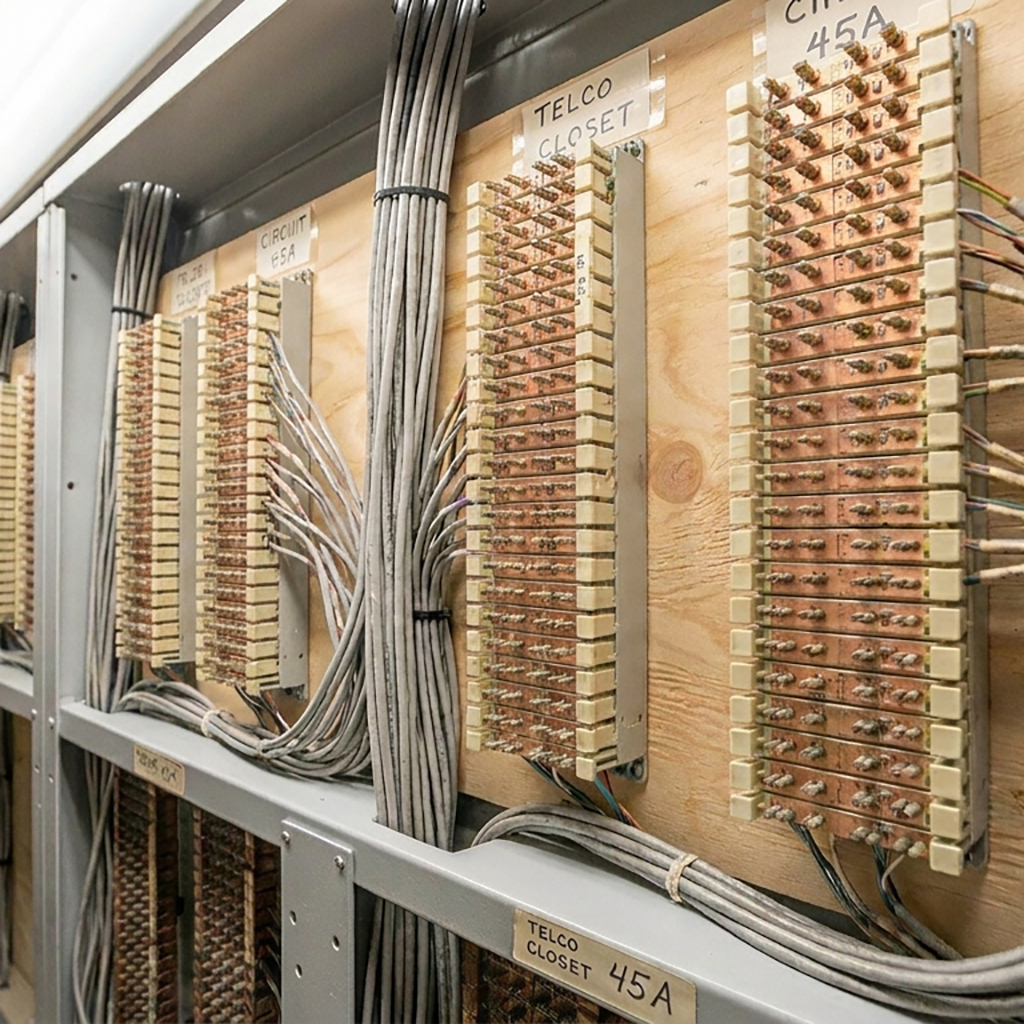
POTS stands for Plain Old Telephone Service — the analog copper wire telephone network that has been in place since the late 1800s. It's the technology behind standard landline phones, and it's also what powers many critical systems that most people don't think about.
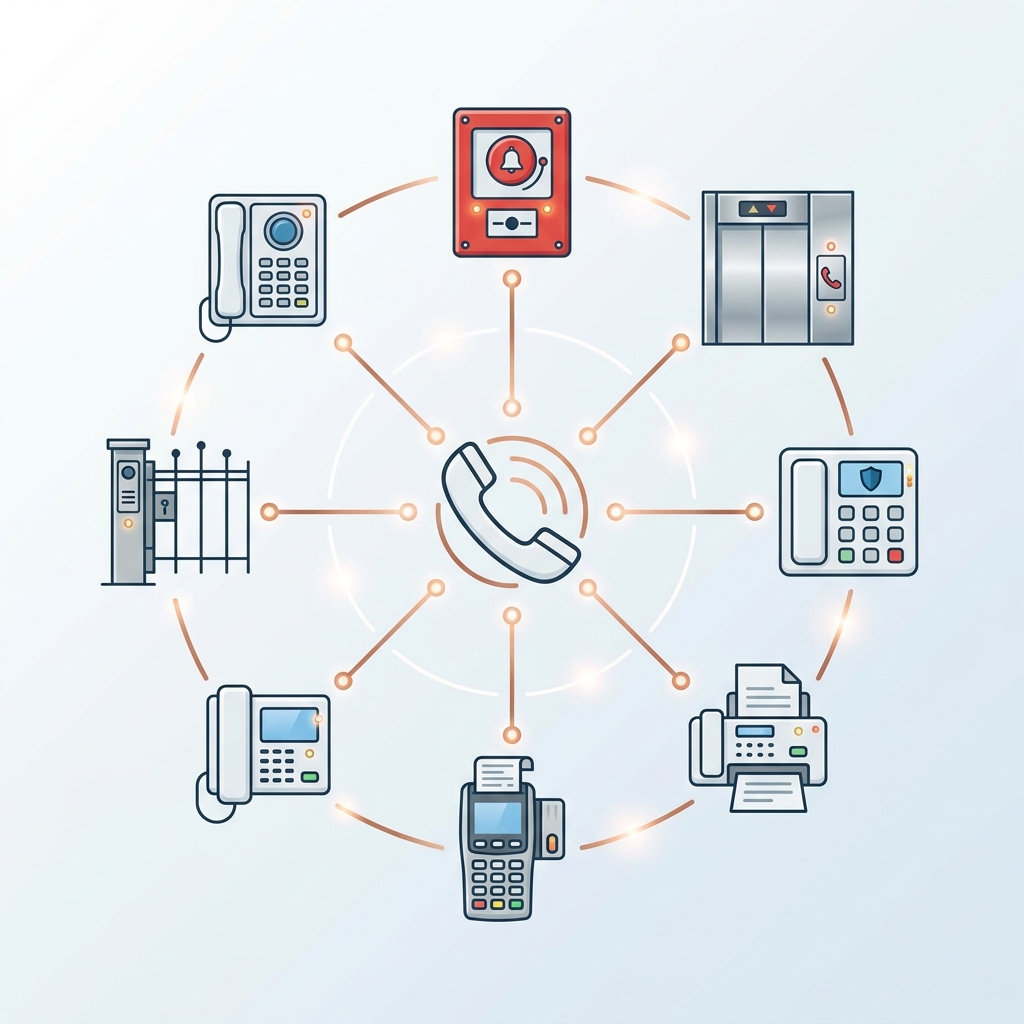
Beyond regular desk phones, POTS lines are used by fire alarm control panels, elevator emergency phones, burglar alarms, fax machines, point-of-sale terminals, pool and gate phones, and dozens of other devices that were designed to run on copper wiring.
Common devices that run on POTS lines:
The copper phone network is over 100 years old. Maintaining aging physical infrastructure has become increasingly expensive for carriers, while the number of people using traditional POTS lines has declined sharply as mobile and internet-based alternatives took over.
In 2015, the FCC eliminated the requirement for carriers to maintain copper POTS infrastructure — effectively opening the door to retirement. Since then, carriers have been filing to discontinue POTS service in areas across the country, and the pace is accelerating.
The FCC's 2019 ruling gave carriers a clearer path to discontinue copper POTS service and accelerated the retirement timeline nationwide.
Traditional landline subscriptions have fallen dramatically over the past two decades — making continued infrastructure investment economically unviable for carriers.
Many carriers are aggressively raising prices on remaining POTS lines — often with little notice — as a prelude to full discontinuation.
The POTS sunset isn't a single event — it's a rolling, region-by-region process that's already well underway. Here's how it's been playing out.
Ignoring the POTS sunset isn't a neutral choice. Here's what businesses and building owners are risking by waiting.
When your POTS line is discontinued, any device or system tied to it stops working. No warning, no workaround — the line simply goes dead.
Fire alarm panels, elevator phones, and emergency stations that go offline may put your building out of code compliance — triggering inspections, fines, or mandatory shutdowns.
In an emergency, non-functional life-safety communication equipment creates serious legal liability — especially if a building occupant is harmed when a system fails to connect.
Businesses that wait until their lines are discontinued often face expedited installation fees, limited equipment availability, and fewer vendor options — all of which increase cost.
Now that you know what's happening, the next step is finding the right replacement for your specific setup.