The right solution depends on what your equipment does, where it's located, and what your compliance requirements are. This page explains each option in plain language — so you can make an informed decision.
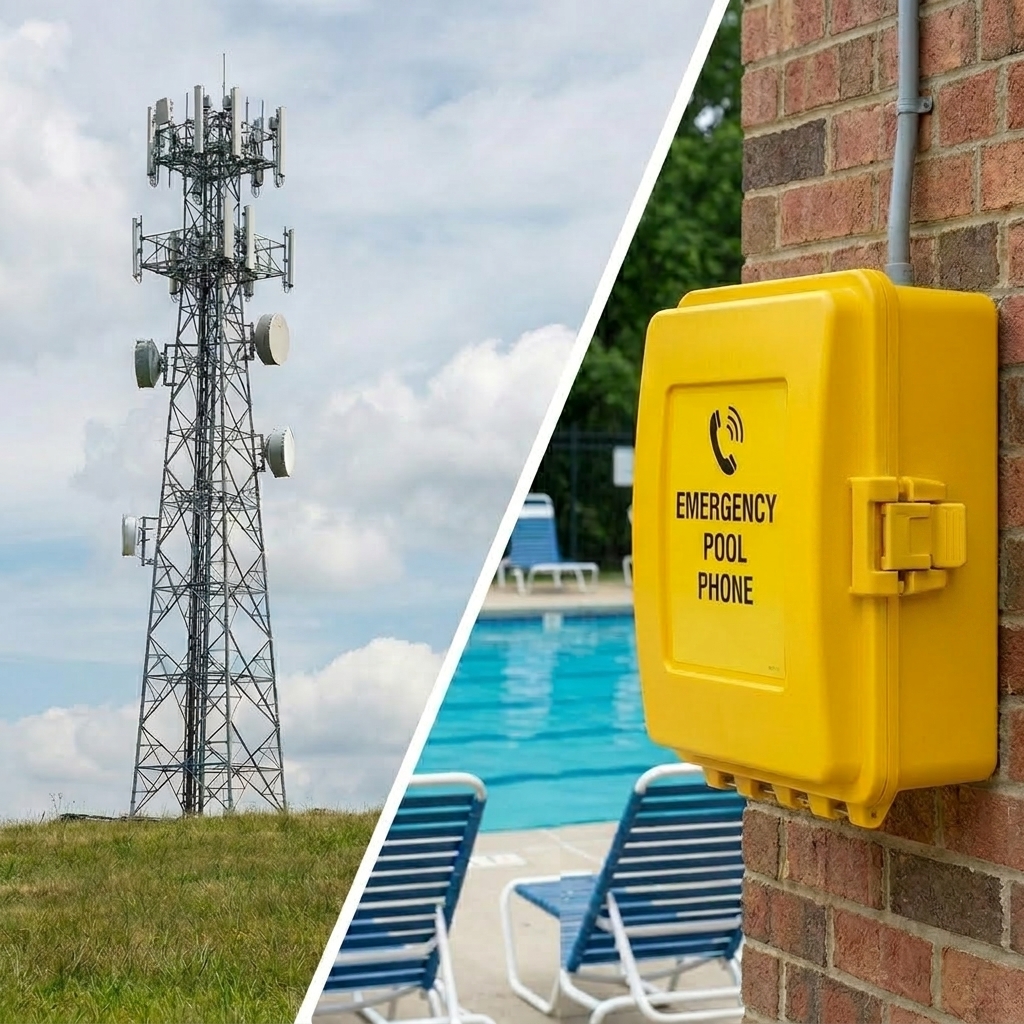
A cellular device replaces your POTS line entirely — plugging into your existing equipment and communicating over a 4G LTE or 5G network instead of copper wire. No internet connection required. No rewiring needed in most cases.
A small cellular communicator is installed at the equipment location. It creates a direct cellular voice connection — mimicking a POTS line — so your existing fire panel, elevator phone, or alarm system continues to work without any changes to the device itself.
What is FirstNet?
FirstNet is AT&T's dedicated priority network built for public safety and first responders. Cellular POTS replacements that run on FirstNet get network priority — meaning their connections are maintained even during a local emergency when tower capacity is strained.
For life-safety applications like fire panels and elevator phones, FirstNet-capable devices offer an additional layer of reliability that standard cellular doesn't guarantee.
Voice over IP (VoIP) routes phone calls over your existing internet connection instead of copper wire. For most business phone lines, it's a direct, cost-effective replacement — often with better features than POTS ever offered.
Important note on life-safety
VoIP is excellent for business phone lines, but it is generally not suitable for fire alarm panels, elevator phones, or other life-safety devices. Those require cellular-based solutions. If you have a mix of equipment, see the Hybrid option below.
Your phone system connects to the internet via a VoIP adapter or a cloud-hosted phone system. Calls travel over your broadband connection instead of a copper line — and you typically get a full suite of business features (auto-attendant, voicemail, conferencing) included.
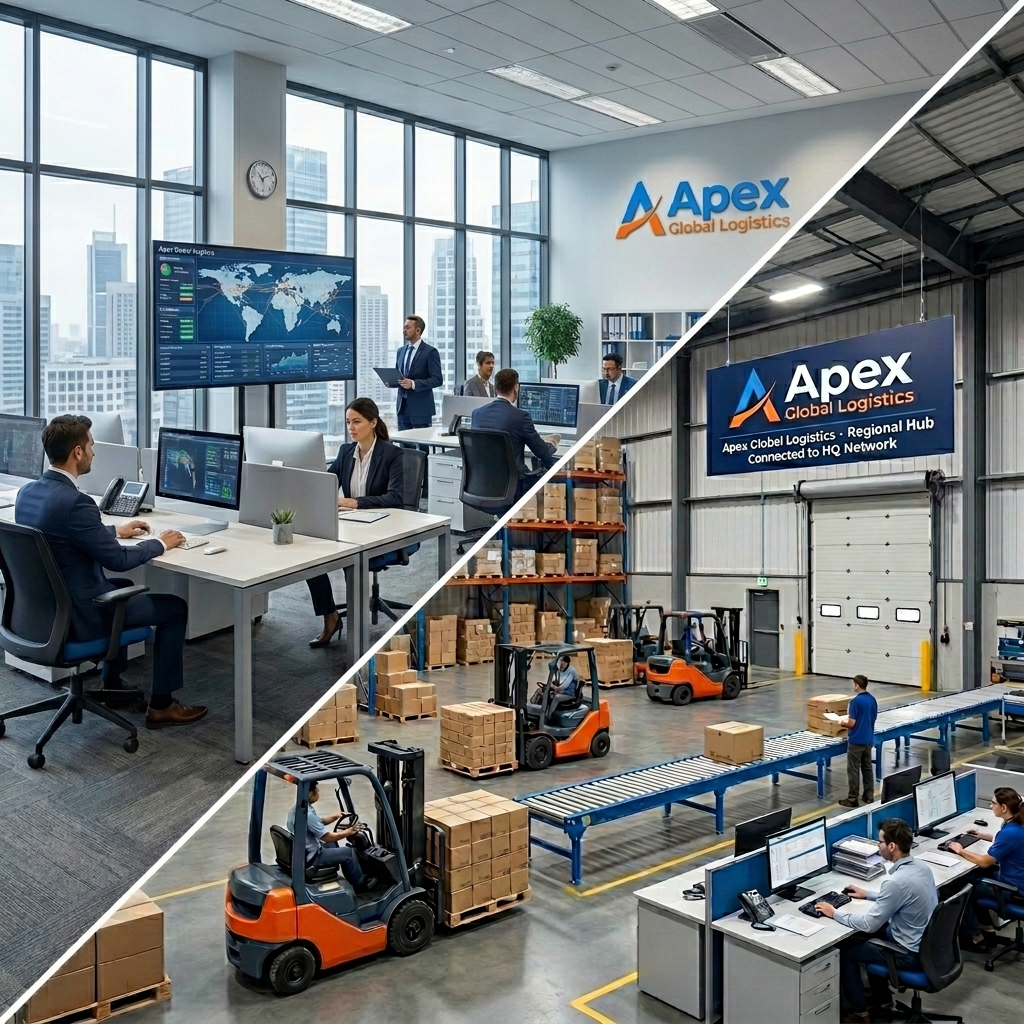
Many organizations have both business phone lines and life-safety equipment — or operate across multiple locations with different needs at each site. A hybrid approach uses cellular for life-safety devices and VoIP for business lines, often managed under one vendor relationship.
A single provider assesses all your existing lines — both business phones and life-safety equipment — and deploys the right technology for each. Life-safety devices get cellular connections. Business phones get VoIP. One account, one point of contact.
Start with a line audit
Before choosing a replacement path, the most important step is knowing what you have. A thorough line audit identifies every POTS-dependent device across your locations — which ones are life-safety, which are business lines, and which are legacy devices you may not even be aware of.
Our free assessment starts with exactly that.
Request a Free Line Audit →
ThePOTSGuide is a resource powered by Simplifi, a provider that specializes in exactly these replacement paths.
Simplifi provides cellular and VoIP connectivity solutions for businesses and building owners. Their products cover POTS line replacement for life-safety equipment, business voice applications, and enterprise multi-site deployments.
Not sure which solution fits your situation? Our free assessment matches you to the right path automatically.
Get a Free Assessment →Describe your setup and we'll do the matching. Free assessment, no commitment.